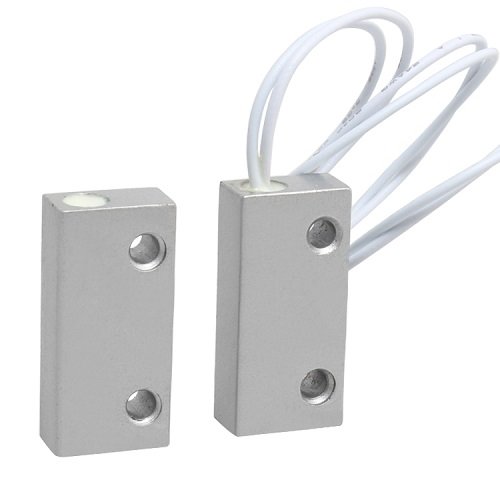
Metallic Construction: The housing is made of durable metals like steel or aluminum, making the contact resistant to physical tampering and wear.
Two-Part System: The device consists of two components: a magnet and a sensor containing a reed switch. The sensor is mounted on the frame and the magnet on the door or window.
Magnetic Operation: When the door is closed, the magnet is near the reed switch, keeping the circuit in a specific state (e.g., closed). When the door opens, the magnet moves away, breaking the magnetic field and changing the circuit's state.
Signal Trigger: The change in the circuit's state (open or closed) sends a signal to the connected security or alarm panel, indicating a "door opened" event.
Advanced and compatibility features
Tamper Resistance and Detection: The strong metallic casing resists forced entry. Some advanced models include separate tamper switches that trigger an alarm if the contact itself is tampered with or removed.
Configuration Options: Contacts are available in two main configurations:
Normally Closed (NC): The circuit is closed when the door is closed. This is the most common type of alarm, as opening the door breaks the circuit and triggers the alarm.
Normally Open (NO): The circuit is open when the door is closed. The circuit closes when the door is opened.
Compatibility: They can be integrated into a wide range of wired or wireless security systems, access control systems, and home automation systems.
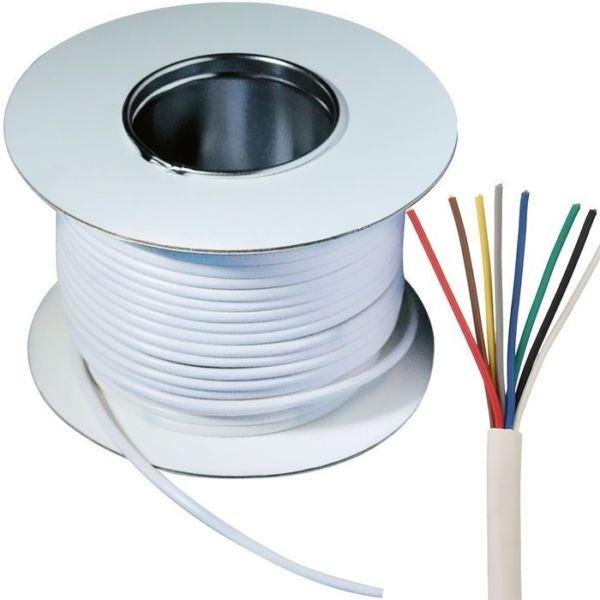
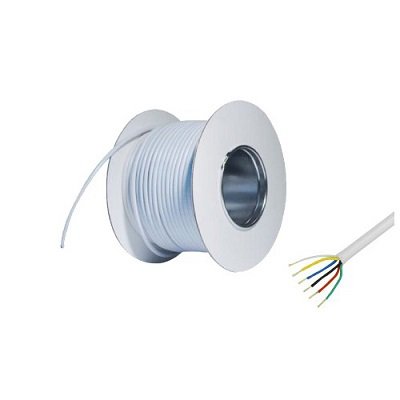
Wiring and Connectivity: They typically have two wires for the main circuit and may have additional wires for tamper monitoring.
Weatherproof Options: Some models are rated for outdoor use to withstand environmental conditions.
Technical Specifications
Brand
Security Gadgets
Category
alarms
Sub Category
N/A
Condition
New
Customer Reviews
No reviews yet. Be the first to review this product!